

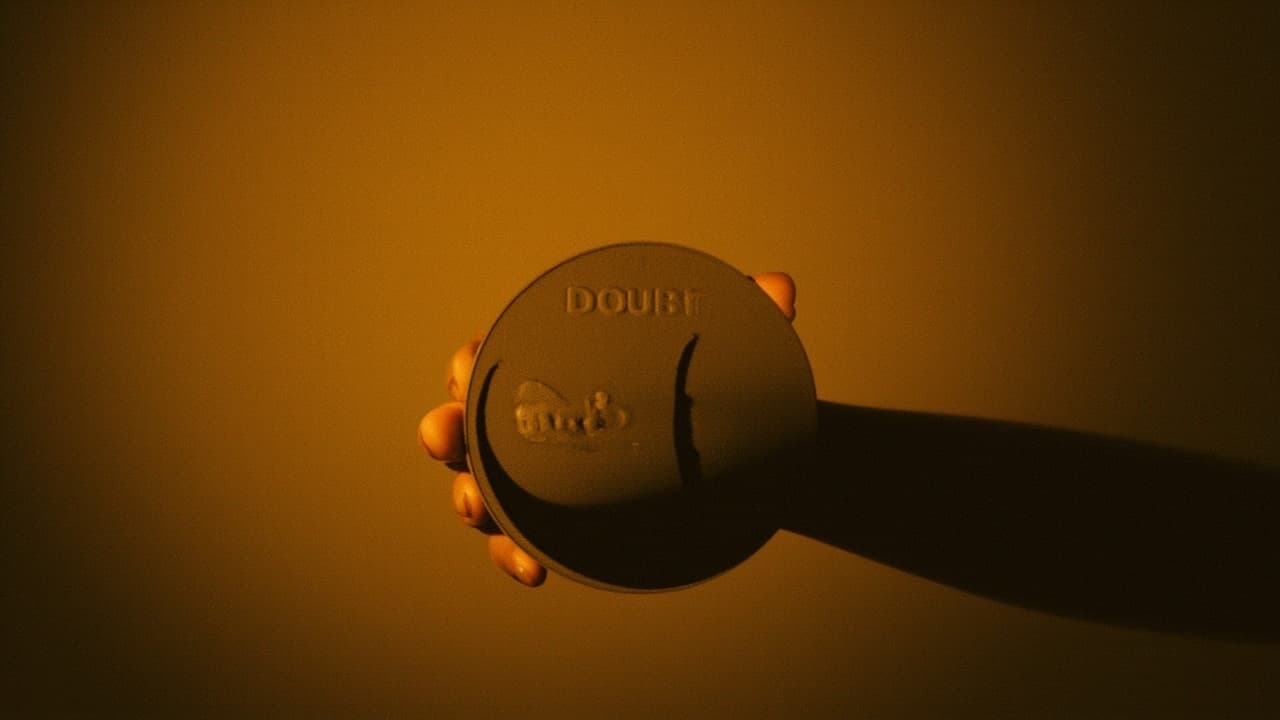
Gate 63 is the logical pressure of doubt. Learn how this Head force triggers the testing of truth.
Gate 63: Doubt — After Completion
Gate 63 is located in the Head Center and corresponds to hexagram 63 of the I Ching — "After Completion". This is the gate of logical doubt — the pressure to check everything, to ask "is that really so?".
A person with Gate 63 carries inner pressure of doubt, which drives logical inquiry. Their doubt is needed by the collective to test assumptions.
Channel 4-63: The Channel of Logic
Gate 63 connects with Gate 4 (in the Ajna), forming Channel 4-63 — The Channel of Logic. This is a collective logical channel of mental formulas and hypotheses.
Curious if this is in YOUR chart? Calculate your free Human Design.
Calculate your chartShadow, Gift, and Siddhi
- Shadow: Self-doubt, suspicion
- Gift: Inquiry, logical verification
- Siddhi: Truth
Practical advice
If you have Gate 63, turn your doubt outward, not inward. Your doubt is a tool for testing external patterns, not for self-criticism. Ask questions — the collective needs this.
Calculate your bodygraph to see if you have Gate 63.
Doubt in Everyday Moments
The pressure of logical doubt rarely announces itself as doubt at all. It usually sounds like a small hesitation before answering an email, a quick re-check of an appointment time already in the calendar, or a pause before repeating a piece of news heard from someone trustworthy. The person with Gate 63 active feels this pause as a faint tension in the head — not anxiety exactly, but a reluctance to let a thought pass through unexamined. Someone shares a workplace rumour and the instinctive response is "what's the source?" rather than agreement or dismissal. A recipe that says "bake for forty minutes" produces the silent question, "forty minutes at what temperature, in what pan?" The doubt is not personality. It is the mind tugging at the edge of an idea the way a seamstress tugs at a loose thread, testing whether the whole fabric holds.
How It Feels From the Inside and Common Misreadings
From the inside, the doubt has a particular texture: a dry, cool pressure, like the moment before a system test runs and you are watching the screen, waiting to see if the numbers are right. It is rarely emotional. People without the gate active often mistake it for cynicism, pessimism, or contrarism, especially when the questioning slows down a group decision. The giver is then labelled the "difficult one" or "the skeptic." The distinction is worth holding carefully. Cynicism disbelieves because it expects failure; Gate 63 doubts because the conclusion has not yet been logically verified. The difference shows up in the body. Scepticism produces a sinking in the chest; this doubt produces a quiet insistence in the head, a refusal to close the loop prematurely. A second misreading is to confuse it with self-doubt, which is the shadow when the inquiry is wrongly aimed. The felt sense is opposite: doubt turned outward feels clarifying, almost energising. Doubt turned inward feels contracted, tight in the throat and solar plexus.
What To Try
A useful practice is to let the doubt speak in its own language. When the pressure rises, the temptation is to either suppress it (to avoid being the person who always asks questions) or to act it out as argument. Neither is productive. Instead, the doubt can be written down briefly, as a single line: "I am doubting that X is true because Y." This keeps the energy pointed outward at the claim rather than inward at the self. In conversation, framing questions as open rather than as challenges preserves the inquiry without triggering defensiveness. "What were the conditions when that happened?" works better than "Are you sure about that?" In group settings, waiting until a statement has been offered as final, and then testing it, allows the doubt to serve its collective function without slowing the flow. Over time, the person with this gate active begins to recognise the relief that follows a good verification — a small release in the head, a sense that a pattern has been confirmed or honestly rejected. That release is the siddhi of truth experienced in miniature, long before the grand word is earned.